Landscape photography shows spaces within the world, sometimes vast and unending, but other times microscopic. Landscape photographs typically capture the presence of nature but can also focus on man-made features or disturbances of landscapes.
depth of field is the distance between the nearest and the furthest objects giving a focused image. the further away you are from an object, the more of the photo is in focus. this is important because it determines how much of a photo is in focus which effects the quality of the photo. a shallow depth of field would be 2.8, a wide depth of field would be 22 and above.
the recommended f stop for landscape photography is f/8 to f/16.
additional equipment you could take includes, a tripod, multiple lenses with different zoom lengths and possibly some filters.
image bank


the above collection of photographs are some examples of landscape photography. some may be less possible to create than others such as the boats and the beach as they are very uncommon scenes in britain. however, photos such as skyscraper and the windmill are both easy to find in britain. this makes them potential ideas for one of my shoots.
artist research
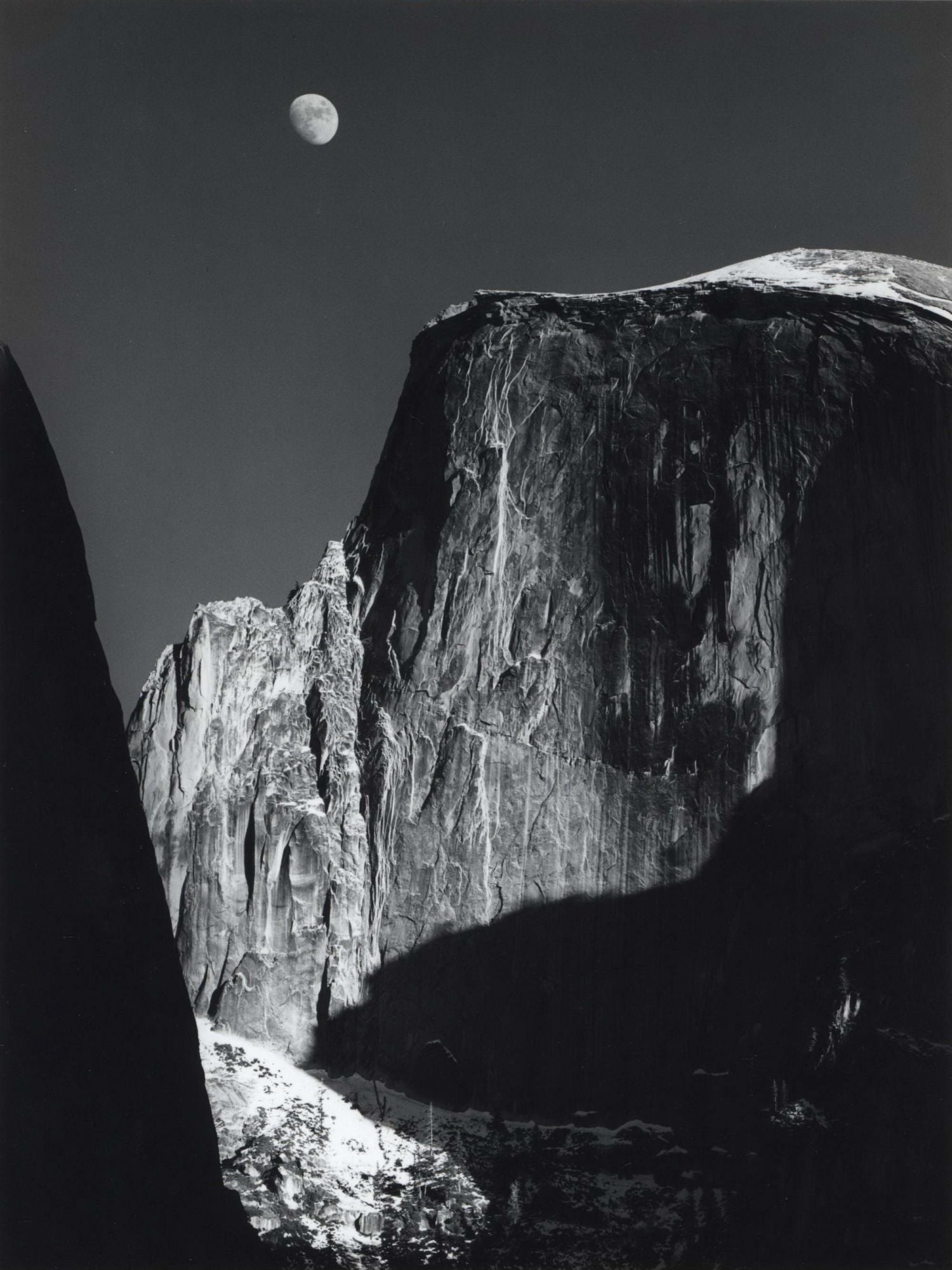
the artist i have chosen is Ansel Adams. he has been well recognised for his experimental and impressive photography. he has been around from 1902 and although he died in 1984, his work is still being viewed today. he mostly focuses on landscapes, particularly Yosemite park in America. his photos show the landscape in black and white, which makes the tones in the landscape much more distinguished.
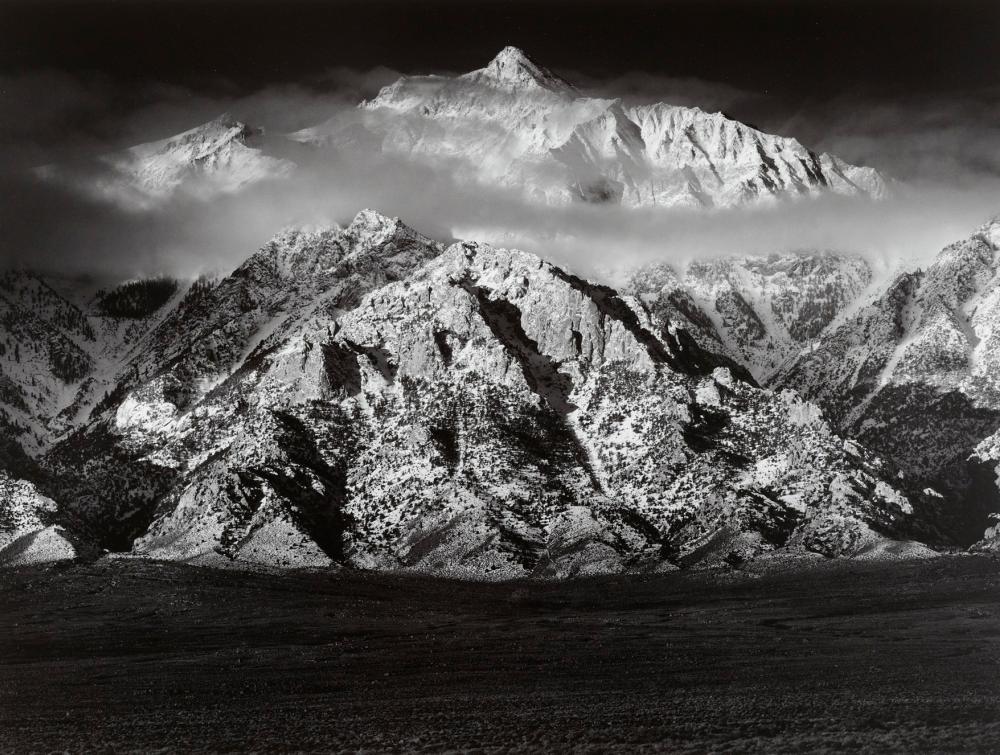
the photo on the left shows a mountain that has been partially blocked by a bank of clouds. Adams probably used a tripod and different filters to capture all of the tones in this photo. this photo has tones ranging from 10 (the clouds and highlights in the mountains) and 0 (the shadows on the mountains and on the ground). this photo is effective because of the the depth of field and amount of detail in the mountains.
the same can be said for the second photo, which shows the the side of a mountain with the moon in the sky. this photo also has a wide tonal range and was probably taken using the same technique of changing the filters until you achieve the desired level of detail. however with both of these photos, Ansel would've had to estimate which filter would be suitable and then potentially adjust them more using dodging and burning during editing.
contact sheet


best photos


photos that need improvement

this photo could be improved by using a lens hood or angling the camera differently to prevent lens flare. i could also adjust the camera settings to let in less light.
AO2- i used a nikon D7100 and a zoom lens. these photos were taken with a shutter speed of 1/125 and a range of apertures as i experimented to find which one would work best. as the lighting became poorer, i had to adjust the settings such as the ISO to increase the shutter speed and the sixe of the pixels in the shot. this allowed more light in but also meant the photos were not as sharp.
if i were to re shoot these photos again, i would choose a time where there is more daylight as my photos would be of a better quality. i would also use a tripod to eliminate camera shake.

i would improve this photo by adjusting the camera settings to let in more light and capture the landscape more clearly in the reflection on the car window.
these are some of my edits from the shoot


i believe that i have produced a strong series of images in response to ansel adams. the final images were edited to convey this photographers style. during the shoot, i travelled to different places around essex such as Stanford mount fitchett, where i found interesting landscapes which are part of the area i live in, similar to ansel adams, where he would go out and photograph different parts of the landscape he lived in.


No comments:
Post a Comment